 Making real-time, in-situ environmental sensors a reality"
class="w-full h-full object-cover"
/>
Making real-time, in-situ environmental sensors a reality"
class="w-full h-full object-cover"
/>
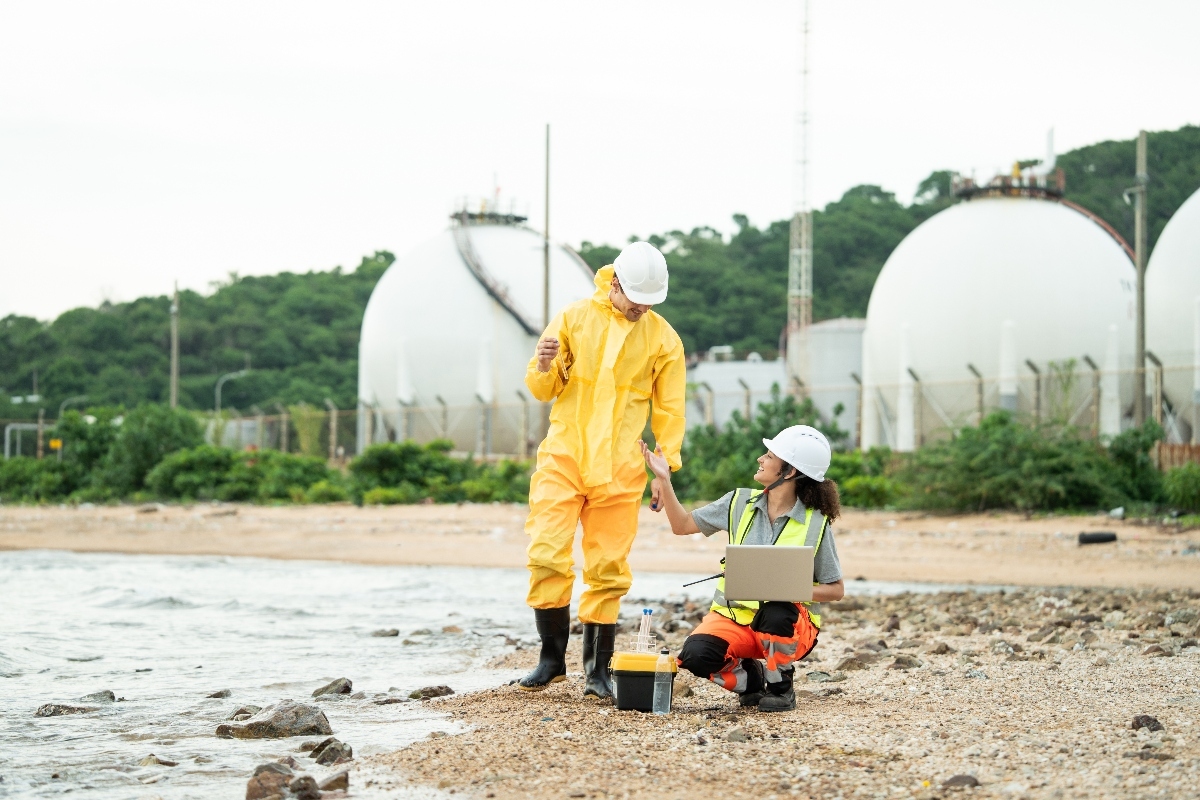
Bringing environmental sensors out of the lab and into real-world deployment remains a fundamental challenge. While detection mechanisms and device architectures have advanced significantly, performance often degrades in complex environments where fouling, instability and interference dominate. The result is a persistent gap between promising prototypes and reliable, field-ready systems, one that is increasingly defined by the limitations of the underlying material.
Advanced carbon nanomaterials are beginning to close that gap. Gii, a three-dimensional graphene-based architecture, is engineered to deliver high sensitivity alongside the robustness required for continuous, in-situ operation. By combining a high surface area with stable electron transfer and scalable manufacturing, it enables consistent performance in chemically complex environments. Explore the guide to see how material innovation is unlocking a new generation of deployable environmental sensors.